Home / Manufacturing Capabilities
From drawing to finished product
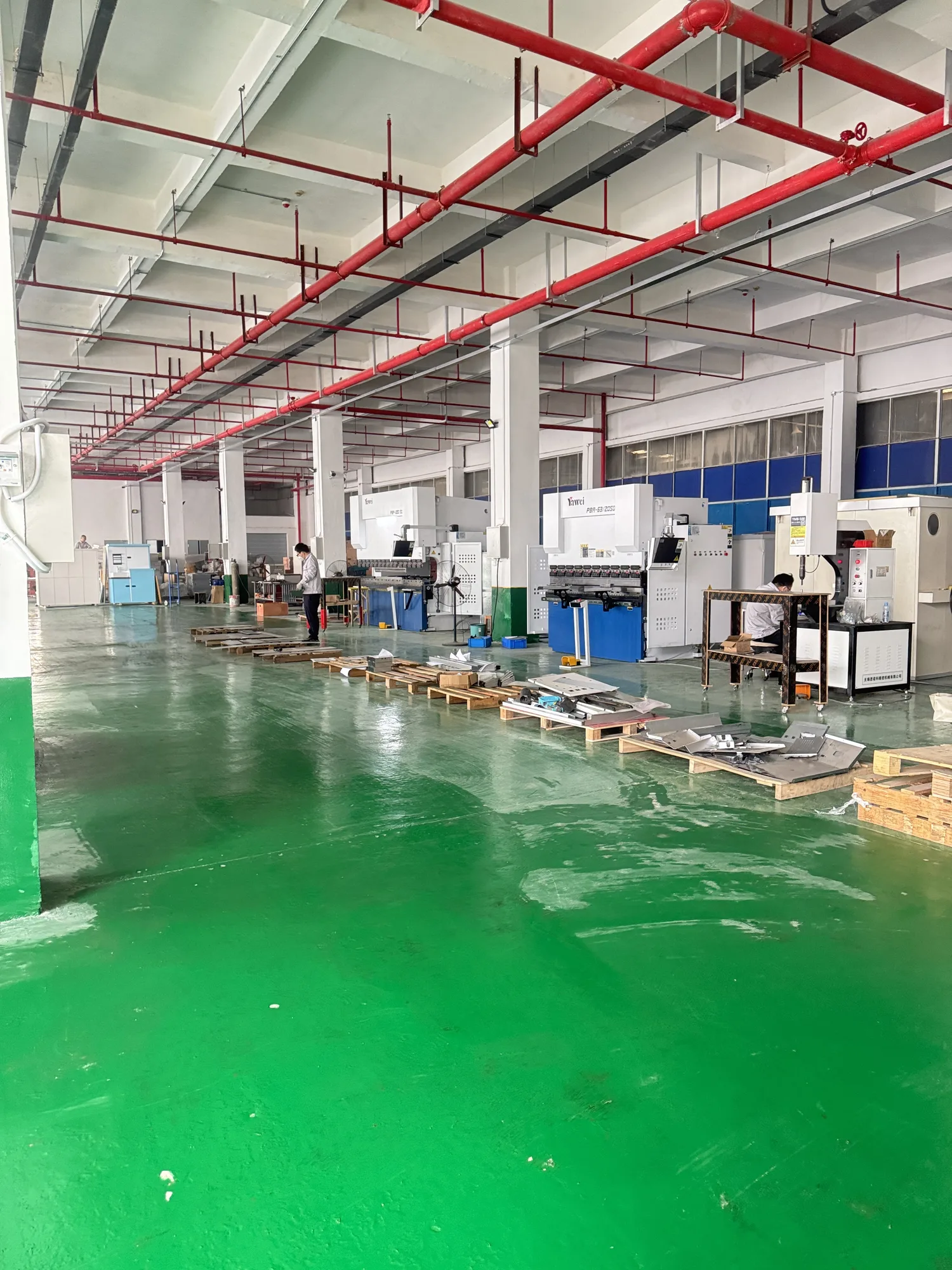
Metal Manufacturing Capabilities
Engineering review, cutting, bending, welding, finishing, assembly and quality control for custom metal products built to your specification.
Manufacturing built around your requirement
We evaluate each project according to its technical requirements, materials, manufacturing complexity and production volume.
Our manufacturing capabilities support a wide range of custom metal storage products, sheet metal components and engineered metal products. Work begins with the drawing, sample or written requirement you supply, not with a fixed machine list or a one-size-fits-all process.
Before production, we confirm the manufacturing route, material, finish, inspection points and open technical questions. This makes the quotation and the approved sample reference the same specification.
Explore each manufacturing capability
Seven connected stages, each with its own technical decisions and limitations.
- Engineering & drawing review — dimensions, material, tolerances and manufacturability before cutting
- Metal laser cutting — repeatable profiles, holes, slots and ventilation patterns
- CNC sheet metal bending — formed flanges, channels, panels and enclosure sections
- Custom metal welding — joined frames, cabinets, enclosures and assemblies
- Metal surface finishing — preparation, powder coating and project-specific finish options
- Metal product assembly — hardware, gaskets, shelves, labels and flat-pack kitting
- Manufacturing quality control — drawing-based checks from first article to packing
How the process fits together
Each stage uses the same approved specification rather than reinterpreting the product.
A drawing review identifies missing information and manufacturing risks. Flat blanks are then cut and formed, parts are joined where required, and surfaces are prepared and finished. Hardware and purchased components are fitted during assembly, followed by the agreed final inspection and packing checks.
Not every product needs every stage. A knock-down cabinet may use mechanical fasteners instead of welding; a stainless part may be supplied without powder coating. The route is confirmed against your drawing and order.
Materials and product applications
Material selection affects cutting, forming, joining, finishing and inspection — not just material cost.
- Cold-rolled mild steel for painted indoor cabinets and components
- Galvanised steel sheet for outdoor storage and humid environments
- Stainless steel 304 or 316 where the application requires it
- Aluminium sheet for weight-sensitive parts, subject to process review
- Perforated, louvred and mesh panels for ventilation and guarding
Typical outputs include custom metal cabinets, equipment enclosures, fabricated sheet metal parts and industrial storage cabinets.
Equipment limits and tolerances
Actual capability is confirmed against the part rather than presented as an unsupported universal rating.
| Part envelope | Checked against the relevant machine and handling limits during review |
|---|---|
| Material and thickness | Confirmed by process, grade and part geometry |
| Dimensional tolerance | Applied from your drawing, or agreed in writing before production |
| Bend and weld feasibility | Reviewed against tooling, access, sequence and distortion risk |
| Finish acceptance | Colour, gloss, texture and inspection criteria agreed before the batch |
| Order quantity | Prototypes and production batches quoted according to setup and process time |
If a requirement is outside the available process window, we identify it during review and discuss a design, process or sourcing alternative instead of silently changing the specification.
Custom production and OEM programmes
A single component, a complete product or a repeatable branded range.
For a new product or an existing item you want to resource, see custom metal manufacturing. For private-label colour, packaging, manuals and repeat production, see OEM & ODM manufacturing. Both routes use the capability stages described here.
Manufacturing capabilities — common questions
Can you review a part before we request production pricing?
Yes. Send the drawing, material, finish and expected quantity. We identify missing information and manufacturing concerns before confirming the quotation basis.
Do you publish one tolerance for all sheet metal parts?
No. Achievable tolerance depends on material, thickness, geometry, process sequence and measurement method. We use your drawing tolerance or agree a working tolerance in writing before production.
Can you make a prototype before a production batch?
Yes, prototype and pre-production samples can be quoted. The sample establishes the approved reference for dimensions, finish and assembly before batch release.
What files should we send?
DWG, DXF, STEP, STP or a dimensioned PDF are useful starting formats. Include material, finish, quantity and the intended use; reference photographs can supplement but should not replace critical dimensions.
Discuss your manufacturing requirement
Send your drawing, material, finish and quantity. We review the process route and confirm open technical points before quoting.